Interest
Tribes

Tanzania is a vibrant mosaic of over 120 distinct tribes, each adding its own language, traditions, and ways of life to the country’s rich cultural tapestry. Unlike many other African nations, Tanzania has managed to foster a remarkable sense of unity among these groups, with each tribe coexisting peacefully and contributing to the shared national identity.
Tanzania’s tribes range from mountain-dwelling agriculturalists and coastal traders to semi-nomadic pastoralists and hunter-gatherers. Each community brings unique practices, vibrant arts, and deep-rooted spiritual beliefs that continue to shape Tanzanian society
Popular tribes include

Hadza Tribe
Location: Near Lake Eyasi in Northern Tanzania
Population: Around 1,000
The Hadza people are among the last remaining hunter-gatherers in Africa. They rely on foraging and hunting wild animals with bows and arrows, and they don’t practice agriculture. They live a highly nomadic lifestyle, and their language is one of the few in the world that uses click sounds.

Iraqw Tribe
Location: Manyara and Arusha regions
Population: Approximately 462,000
Known for their farming skills, the Iraqw people are skilled in terracing, which is used to prevent soil erosion and increase agricultural productivity. They have unique homes built underground to insulate against cold and offer protection.

Makonde Tribe
Location: Mtwara and Lindi regions, and some parts of Mozambique
Population: Over 1.4 million
The Makonde are famous for their wood carving, especially intricate ebony sculptures and masks used in ritual dances. Makonde carvings are renowned worldwide and play a crucial role in Tanzanian art. The tribe practices matrilineal descent, and women hold significant roles in society.
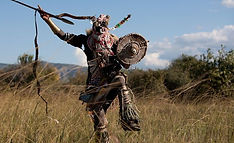
Sukuma Tribe
Location: Mwanza, Shinyanga, and Tabora regions
Population: Tanzania’s largest ethnic group, with around 10 million
Primarily cattle herders and farmers, the Sukuma are known for their traditional dance known as “Bugobogobo.” In the dance, performers often engage in daring acts, like handling live snakes. The Sukuma also have traditional healers who are deeply respected and often consulted in matters of health and spirituality.

Maasai Tribe
Location: Northern Tanzania and southern Kenya, especially near the Serengeti and Ngorongoro regions
Population: Approximately 1 million in Tanzania
The Maasai are famous worldwide for their distinctive red clothing, beadwork, and semi-nomadic lifestyle. They rely on cattle for food and economic value, considering livestock a central part of their culture and wealth. Known for their warrior culture, the Maasai perform the iconic “adumu” or jumping dance, which showcases their strength and endurance.

Hehe Tribe
Location: Iringa region, southern highlands
Population: Around 800,000
Known for their resistance against German colonial rule under Chief Mkwawa, the Hehe are proud of their warrior heritage. They are skilled agriculturists and keepers of traditional dances and ceremonies that honor their ancestors and the land.

Chaga Tribe
Location: Slopes of Mount Kilimanjaro, in the Kilimanjaro region
Population: Around 2 million
The Chaga are skilled agriculturalists and among the wealthiest tribes due to coffee farming. They use a unique irrigation system with channels running down from Mount Kilimanjaro. Known for their entrepreneurial spirit, the Chaga have greatly influenced Tanzania’s economy.

Haya Tribe
Location: Northwestern Tanzania, around Lake Victoria
Population: Approximately 1.2 million
The Haya are known for their expertise in banana farming and have a tradition of brewing banana beer. They are also credited with developing an early form of iron-smelting, which some historians believe dates back 2,000 years.

Zaramo Tribe
Location: Coastal areas, especially around Dar es Salaam
Population: About 700,000
Zaramo culture has been shaped by Swahili and Arab influences, due to proximity to the coast. They are skilled in crafts, particularly weaving and pottery, which they trade along the coast. Their customs blend African and Islamic influences, visible in their dress, celebrations, and architectural styles.

Nyamwezi Tribe
Location: Tabora region, central Tanzania
Population: Approximately 1.5 million
Known as "People of the Moon," the Nyamwezi are Tanzania's second-largest ethnic group. Traditionally, they are skilled in ironworking, farming, and trade, especially along historical caravan routes. The Nyamwezi have a rich spiritual culture, often focused on ancestral worship and traditional healing practices.