top of page

Interest

Canoeing
Image by Zeki Binici

​When most people think of Tanzania, they picture roaring safaris, towering Mount Kilimanjaro, and white sand beaches. But tucked between all the headline adventures is a quieter, more meditative experience — canoeing. Whether you’re drifting through forest-ringed crater lakes or gliding past wildlife at water’s edge, canoeing offers a chance to slow down and soak in the country's natural beauty in a way few other activities allow. It’s not about adrenaline here — it’s about silence, birdsong, and the soft splash of your paddle.

​

Where to go

Lake-Duluti-1-scaled.jpg

Lake Duluti

A serene crater lake just outside Arusha. Surrounded by dense forest and with views of Mount Meru in the background, it's perfect for a peaceful paddle.​ You’ll likely spot kingfishers, fish eagles, and other water birds as you glide along its calm waters.​​​​

Momella Lakes (Arusha National Park)

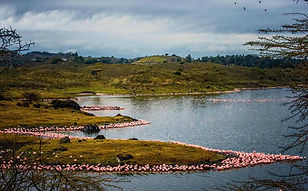
These alkaline lakes sit right inside the park, and canoeing here often brings you close to giraffes, buffaloes, and even hippos at the shoreline. You’ll be guided by an official TANAPA ranger, adding safety and great info along the way.​​

​​

arusha-momela-lakes.jpg

Book your trip

Get Guaranteed price directly from operator

lake-manyara-1.jpg

Lake Manyara National Park

​canoe safaris are also available when water levels are right. This lake is a birder’s paradise, home to thousands of flamingos and pelicans, and often surrounded by zebras and elephants. Canoeing here gives a unique perspective on one of the most underrated parks in northern Tanzania.

Lake Chala

It's a volcanic crater lake with color-changing waters that shift from deep turquoise to emerald green. You can canoe or kayak across its peaceful surface while soaking up epic views of the surrounding cliffs and distant Mount Kilimanjaro.

​​

lake-chala-day-trip_d66XR.jpeg

Best Time To Go​

​​​

The ideal time for canoeing in Tanzania is during the dry seasons — from June to October and January to February. During these months, the weather is generally clear, the lakes are calm, and the chances of rain disrupting your trip are low. This also happens to be great timing for wildlife viewing, especially around the national parks.

Guide Requirements

​​​

In most canoeing spots located within national parks, such as Arusha or Lake Manyara, going with a certified guide or park ranger is mandatory. These guides are not just there for safety — they also offer valuable insights about the landscape and animals you encounter. Even in less regulated areas like Lake Chala or Lake Duluti, booking through a trusted tour operator or lodge is highly recommended for a smoother and safer experience.

Fitness Level

​​​

Canoeing in Tanzania doesn’t require advanced paddling skills or high fitness levels. Most excursions are designed to be easy-going and beginner-friendly, usually lasting from 1 to 2 hours. As long as you’re comfortable sitting in a canoe and doing light paddling, you’ll enjoy the ride. If you're unsure, just let your guide know in advance, and they can adjust the pace.

Wildlife Safety

​​​

While canoeing brings you close to nature, it’s important to respect wildlife — especially around hippos and crocodiles, which can sometimes be found in places like Lake Chala or the Momella Lakes. Guides are trained to identify safe routes and will always keep a safe distance from any potential danger. Follow their instructions, avoid sudden movements, and never try to approach wildlife directly.

bottom of page